As an Amazon Associate, we earn from qualifying purchases. Some links may be affiliate links at no extra cost to you. Although our opinions are based on curated research, we haven't used these products. Articles generated with AI.

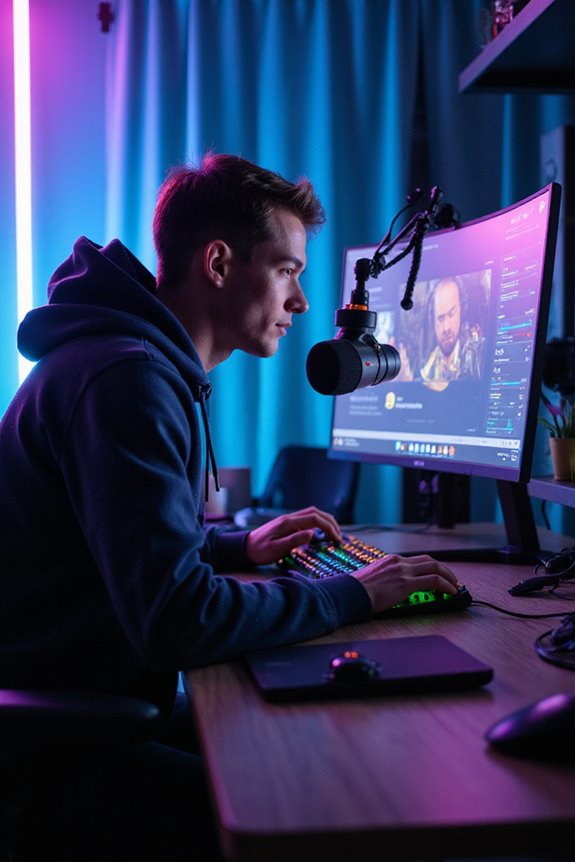
Stream Your Games on Facebook Gaming Successfully

To stream your games on Facebook Gaming successfully, start with a powerful PC—an Intel i7 or AMD Ryzen 7 processor, 16GB of RAM, and an NVIDIA GTX 1060 graphics card are solid choices. You’ll also need a stable internet connection with at least 10 Mbps upload speed. Use OBS Studio to manage your streams, aiming for 1080p at 60fps. Finally, engage with your audience through real-time interactions. Stick around, and I’ll share more tips to elevate your streaming game!
Key Takeaways
- Invest in a powerful PC or laptop with recommended specs for optimal streaming performance and quality.
- Create an engaging Facebook Gaming page with a clear name, vibrant visuals, and detailed description.
- Use software encoders like OBS Studio or XSplit to manage your live streams effectively.
- Engage your audience in real-time through comments, polls, and Q&As for increased interaction.
- Analyze viewer metrics and adapt your content strategy based on audience insights for continuous improvement.
Essential Gaming Equipment for Streaming
You may be interested

When it comes to streaming your games on Facebook Gaming, having the right equipment is like setting up a solid foundation for a house—without it, everything else can crumble. You’ll want a powerful PC or laptop, ideally with an Intel i7 or AMD Ryzen 7 processor, at least 16GB of RAM, and a robust graphics card like the NVIDIA GTX 1060. A stable internet connection is essential, too; aim for 10 Mbps upload speed for smooth 1080p streaming. Don’t forget a quality webcam for that crisp 1080p image and a good microphone to capture your voice clearly. Lighting matters as well—softbox lights can really enhance your video quality. It’s all about creating an inviting space for your audience.
Recommended Products
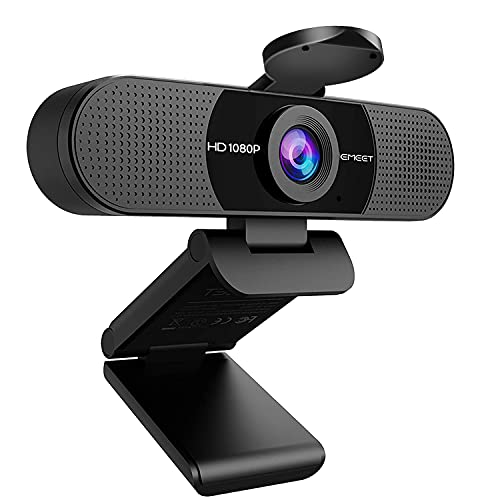
Full HD 1080P Webcam with Cover for Video Calls - EMEET computer webcam provides design and Optimization for professional video streaming. Realistic 1920 x 1080p video, 5-layer anti-glare lens, providing smooth video. The fixed focal length makes the object in the focal length range of 11.8-118.1 inches, so as to provide a clearer image. The C960 usb webcam has a cover and can be removed automatically to meet your needs for protection. It is a great choice for home office.

【1080P HD Clarity with Wide-Angle Lens】Experience exceptional clarity with our 1080p Full HD Webcam. Its wide-angle lens provides sharp, vibrant images and smooth video at 30 frames per second, making it ideal for gaming, video calls, online teaching, live streaming, and content creation. Capture every detail with vivid colors and crisp visuals

Full HD 1080P Streaming webcam:With Full HD 1080p 60FPS video and built-in microphone function, it helps solve the embarrassing situation of poor video quality and unclear sound, which is good for streaming/gaming/video calling/conferencing /online school Computer Camera.
Creating Your Facebook Gaming Page
Creating your Facebook Gaming page is an exciting step toward building your online presence, especially since it’s your chance to showcase your gaming personality. Start by logging into Facebook and heading to the page creation section. Choose “Gaming Video Creator” as your page type, then pick a name that reflects your gaming style. Don’t forget to upload a vibrant profile picture and an engaging cover photo to capture attention!
Add a short description to give visitors context about your content. Make sure to fill in essential details, ensuring your page looks professional and inviting. Once you’ve set everything up, invite friends to check it out. This is just the beginning; your page is a canvas for creativity and community!
Setting Up Your Live Stream
Setting up your live stream is where the fun really begins. First, I recommend using software encoders like OBS Studio or XSplit; they’re user-friendly and effective for managing streams. After installing, you’ll need to integrate your stream key from Facebook. Don’t forget to customize settings like bitrate—typically around 4500 kbps works well—and aim for 1080p at 60fps for smooth visuals.
Testing your stream is vital; it guarantees everything’s running smoothly before you go live. Check your audio settings too, as clear sound is just as important as video quality. It’s all about creating an enjoyable experience for your viewers, so take the time to get it right. Happy streaming!
Choosing the Right Games to Play
Choosing the right games to play can make or break your streaming experience, right? I’ve found that selecting popular titles like PUBG Mobile and Mobile Legends can attract a bigger audience due to their massive viewership. Games like Among Us offer shorter, engaging sessions that keep viewers coming back for more, which is fantastic for building a community.
Consider the saturation of popular games; while they have demand, they also present competition. Emerging titles like Valorant and Free Fire can provide growth opportunities with less pressure. Mobile games generally increase accessibility, and their action-packed nature often boosts viewer engagement. Ultimately, it’s about balancing what you love with what draws in viewers, creating a fun space for everyone involved.
Enhancing Stream Quality and Performance
To guarantee your stream captivates viewers, enhancing its quality and performance is essential. Start by lowering the output resolution to 1280×720; it balances performance and quality without putting too much strain on your CPU. Choosing the right encoder is imperative—software encoders like x264 offer superb quality but can be a CPU hog, while hardware encoders like NVENC lighten the load but may slightly reduce quality.
Adjust your bitrate, ideally between 1500 and 4000 kbps, based on your internet connection and hardware. A stable Ethernet connection is key for consistent quality. Don’t forget, your device’s capabilities at the receiving end also affect how viewers experience your stream. Keep these factors in mind, and you’re on your way to a smoother streaming experience!
Recommended Products

Ultra 4K Streaming Image for Live Streaming. EMEET C60E 4K Webcam delivers immersive live visuals with crisp 4K resolution at 30FPS powered by a 1/2.8" CMOS sensor. Designed specifically for streamers, gamers, and creators who rely on real-time interaction, it delivers sharp details, natural colors, and smooth motion throughout every live broadcast.

100% Zero Delay Pc Encoder!High Quality

Tactile Control, Visual Feedback: LCD keys, touch strip, and dials for audio, video, lighting, and more; Know that your command has been executed
Engaging Your Audience Effectively
How can I truly captivate my audience while streaming? First, I’ve learned that live videos spark three times the engagement compared to pre-recorded content. So, I always go live. I make sure to engage in real-time, responding to comments and using live polls or Q&As to keep things interactive. Since 85% of viewers watch without sound, I incorporate captions and high-quality visuals to enhance the experience. I also cater content to specific interests, which helps build a loyal following. Plus, I encourage user-generated content, fostering a personal connection with my audience. It’s all about creating a welcoming atmosphere where everyone feels involved. With these strategies, I can truly engage and connect with my viewers. To further enhance the experience, consider using customizable LED lights on your gaming headset to match the ambiance of your stream and captivate your audience visually.
Building a Thriving Community
While building a thriving community on Facebook Gaming may seem challenging, it’s actually about harnessing the platform’s unique features to create meaningful connections. With over 3 billion users, there’s a vast audience waiting for you. Facebook Groups are vital; they allow like-minded gamers to interact and bond over shared interests. Plus, Messenger can keep your community updated and engaged with high open rates.
Regularly posting dynamic video content, like Reels, is significant since video accounts for 40% of user engagement. Hosting events or game nights can deepen those connections, making your community feel more intimate. Remember, it’s about creating personalized experiences that resonate with your members, fostering loyalty and trust as you grow together.
Diversifying Your Content Strategy
Diversifying your content strategy can greatly enhance your reach and engagement on Facebook Gaming. By exploring various game genres—like action, adventure, and role-playing—you can attract a broader audience. Plus, playing across platforms such as Facebook, Messenger, and Portal boosts accessibility, making it easier for players to join in.
I find that offering different formats, like instant games or live games, satisfies diverse player preferences. Engaging storytelling and appealing visuals keep players emotionally connected, while community features like tournaments and leaderboards foster interaction. Regular updates and responsiveness to feedback also refine your content. Remember, even small changes can make a big difference in keeping players interested and invested in your gaming journey. So, let’s mix it up!
Strategies for Growth and Monetization
Building on a diverse content strategy can set the stage for growth and monetization in your Facebook Gaming journey. Start by engaging your community with polls and live chats. A consistent streaming schedule builds anticipation and loyalty. Remember, when you respond to comments and acknowledge donations, it fosters a sense of belonging.
To monetize effectively, consider using Facebook’s in-stream ads and look into sponsored content with brands. Donations through Stars can boost your income, while selling merchandise adds another revenue stream. Cross-promoting on social media expands your reach, allowing more gamers to discover your streams. Each of these strategies not only enhances your visibility but also nurtures your community, creating a win-win for everyone involved.
Analyzing Performance for Continuous Improvement
To effectively analyze performance on Facebook Gaming, it’s essential to explore the metrics that matter most. I focus on viewer engagement rates, which show how many viewers interact with my streams through reactions and comments. This feedback helps me identify what resonates with my audience. Average watch time is another vital metric; it tells me if my content is keeping viewers hooked.
I also track concurrent viewers, which helps me understand peak times for streaming. Using Page Insights, I can drill down into specifics, analyzing shares and top-performing videos. While the competition is tough, especially with Twitch, understanding these metrics enables me to refine my strategies and improve continuously. It’s all about learning and adapting to keep my streams fresh and engaging.
Frequently Asked Questions
What Are the Best Times to Stream on Facebook Gaming?
I’ve found streaming between 12 PM and 4 PM EST tends to attract more viewers. It’s when people are available, taking breaks or unwinding. Experimenting with times can really help you understand your audience better, too.
How Can I Promote My Streams Outside Facebook?
When I started streaming, I felt like a ship lost at sea. Now, I promote my streams through Twitter, TikTok, and community events. Building connections off-platform really helps me find my audience.
What Are Common Streaming Mistakes to Avoid?
When I think about common streaming mistakes, I can’t ignore poor equipment, inconsistent schedules, and neglecting viewer engagement. It’s essential to stay connected and constantly improve, ensuring our streams are enjoyable for everyone involved.
How Do I Handle Negative Comments During Streams?
“When it rains, it pours.” I’ve learned to embrace negative comments by fostering a positive community, staying focused on my content, and using moderation tools. It’s all about turning negativity into growth and connection.
Can I Stream From a Console to Facebook?
Yes, you can stream from a console to Facebook! I’ve done it myself. Just make certain you’ve got the right setup, a stable internet connection, and follow the prompts. It’s easier than you might think!