As an Amazon Associate, we earn from qualifying purchases. Some links may be affiliate links at no extra cost to you. Although our opinions are based on curated research, we haven't used these products. Articles generated with AI.

Forge Your Ultimate Gaming Network: Blueprint Revealed

To forge your ultimate gaming network, start by choosing the right architecture, whether it’s client-server for consistency or peer-to-peer for flexibility. Focus on performance with wired connections and QoS features on routers to prioritize gaming traffic. Don’t forget security—implement MFA and session encryption to protect your account. These steps lay a strong foundation, and if you’re curious about further enhancements and advanced features, stick around for more insights.
Key Takeaways
- Choose a client-server architecture for authoritative control and consistent game state management in your gaming network.
- Optimize internet speed and reduce latency by using wired connections and high-performance routers with QoS settings.
- Implement NAT traversal techniques to ensure seamless connections for players behind firewalls.
- Incorporate Multi-Factor Authentication and session encryption to enhance security and protect player data.
- Use data-driven insights and robust technical support to scale your infrastructure for larger audiences and gaming events.
Building the Foundation of Your Gaming Network
You may be interested



Building a solid foundation for your gaming network is essential, especially if you want to provide players with a seamless experience. I’ve found that choosing the right architecture model is a great starting point. The client-server model offers authoritative control, keeping game state consistent across clients. On the other hand, the peer-to-peer model allows direct communication, which can be fantastic for real-time strategy games but might lead to security concerns. Then there’s the hybrid model, balancing both approaches for flexibility. Implementing NAT traversal techniques can help establish connections, even behind tricky firewalls. Remember, scalability is key; your network should grow as your player base expands. It’s a delicate dance, but getting this foundation right pays off in the long run.
Recommended Products
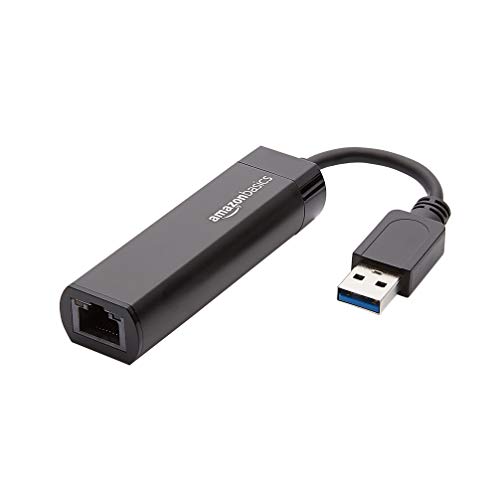
Connects a USB 3.0 device (computer/laptop) to a router, modem, or network switch to deliver Gigabit Ethernet to your network connection. Does not support Smart TV or gaming consoles (e.g.Nintendo Switch).
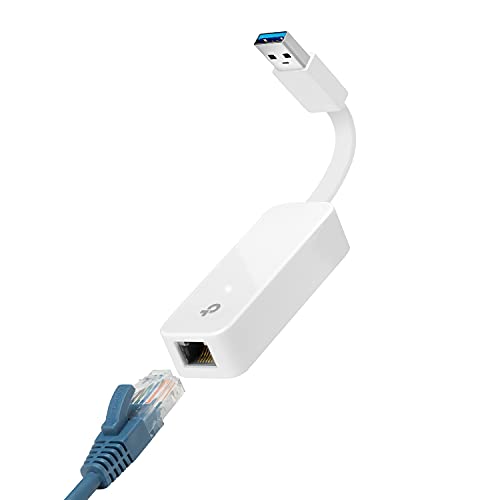
𝐌𝐨𝐫𝐞 𝐬𝐭𝐚𝐛𝐥𝐞 𝐜𝐨𝐧𝐧𝐞𝐜𝐭𝐢𝐨𝐧𝐬: UE300 is a Gigabit Ethernet Adapter that enables you to turn your laptop's USB port into an RJ45 Ethernet port. Switch from an unstable wireless connection to a stable high-speed Ethernet connection
Enhancing Performance for Optimal Gameplay
When it comes to enhancing performance for ideal gameplay, ensuring your network is up to par can make all the difference. I’ve found that evaluating my internet speed is the first step; after all, I want something that meets my gaming needs. Regularly checking latency helps me spot any bottlenecks that might affect my experience. To manage bandwidth, I prioritize gaming traffic through QoS settings, making sure my gaming devices get the resources they need.
Investing in high-performance hardware, like a reliable router, has improved stability considerably. Plus, opting for wired connections over Wi-Fi reduces latency. I’ve learned that a little attention to these details creates a smoother gaming experience, and who doesn’t want that?
Recommended Products

Dual band router upgrades to 1200 Mbps high speed internet (300mbps for 2.4GHz plus 900Mbps for 5GHz), reducing buffering and ideal for 4K stream

Tri-band 2.4GHz + 5GHz + 6GHz; latest WiFi 6E supports 8-streams on tri-band simultaneously, up to 6.6Gbps speed

NIGHTHAWK WIFI 6 ROUTER FOR YOUR WHOLE HOME: Delivers fast, reliable WiFi across every room for streaming, gaming, video calls, and smart home devices, all running at the same time without slowing each other down.
Networking Essentials for Low-Latency Connections
To achieve low-latency connections, you really can’t underestimate the importance of a solid network foundation. Start with a wired Ethernet connection; it’s much more stable than wireless. If you’ve got a decent router, look for one with Quality of Service (QoS) features to prioritize gaming traffic. Upgrading to fiber internet can truly enhance your speed, too.
Don’t forget to check your DNS settings; faster servers can shave off those precious milliseconds. And if you’re serious about gaming, consider optimizing your router’s gateway configuration. While it might sound technical, these adjustments can greatly boost your performance. Remember, every little tweak can make a difference, so don’t shy away from experimenting!
Scaling for Large Audiences and Events

After establishing a solid network foundation for low-latency connections, it’s time to contemplate how to scale these systems for larger audiences and events. With nearly 2.8 billion gamers worldwide, I’ve realized that building mobile-friendly infrastructure is vital, especially since mobile gaming dominates the U.S. market. Using data-driven tools like Game Refinery helps me understand player behavior, allowing for personalized content that resonates with diverse audiences. Many gaming headsets feature noise-canceling microphones, which are essential for clear communication during large-scale multiplayer events. I’ve found that niche targeting and influencer partnerships can make marketing campaigns more effective, while engaging on social media builds community. It’s important to plan event timings wisely and guarantee robust technical support to handle the influx. Keeping these elements in mind can lead to memorable experiences for everyone involved, even amidst challenges.
Recommended Products

Zero-Latency Audio for Competitive Edge: Dominate your matches with the AOC wireless gaming headset. Featuring ultra-fast 2.4GHz lossless technology (≤20ms latency), this ps5 headset ensures your audio is always perfectly synced with the action. Tuned 50mm drivers deliver clear gaming sound for footsteps, reloads, dialogue, and in-game effects in FPS, action, and open-world games. The closed over-ear design helps keep you focused during Fortnite, Call of Duty, Roblox, Discord chat, online classes, and movie watching.
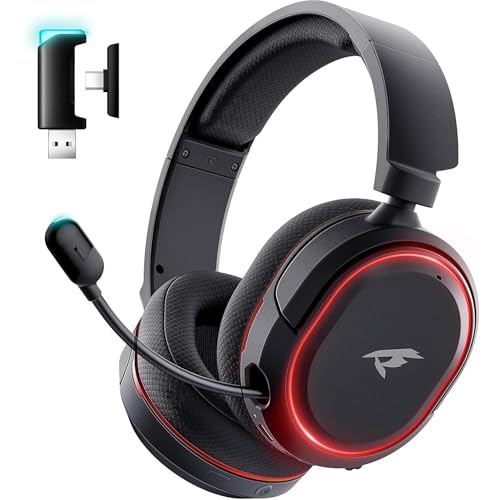
🎵【7.1 Surround Sound & Aesthetic Decorative Light】 UG-08S PC gaming headset can provide you with a cinema 3D stereo surround sound experience, designed specifically for gamers and audiophiles and multi-platform Compatibility. Long-press the 'M' key to activate 7.1 surround sound and dynamic driver reproduces deep bass and clear highs. Which allows you to hear every detail in the game with pin-drop clarity from up to 40 feet away. Such as teammates' voices, footsteps, direction, and more. Double-click the M key to activate the ambient light, then single-click the M key to switch between two modes: steady light and gradient. Valorise wireless pc headset will bring a cooler gaming atmosphere.

[Experience Ultimate Sound Quality]Krysenix wireless gaming headset is equipped with 50mm titanium-coated drivers, Provides you with clear highs and deep lows. Whether it’s the gunfire on the battlefield or the subtle footsteps of an enemy, you can easily distinguish every detail, accurately pinpointing positions and controlling every moment in the game
Advanced Features and Security Measures
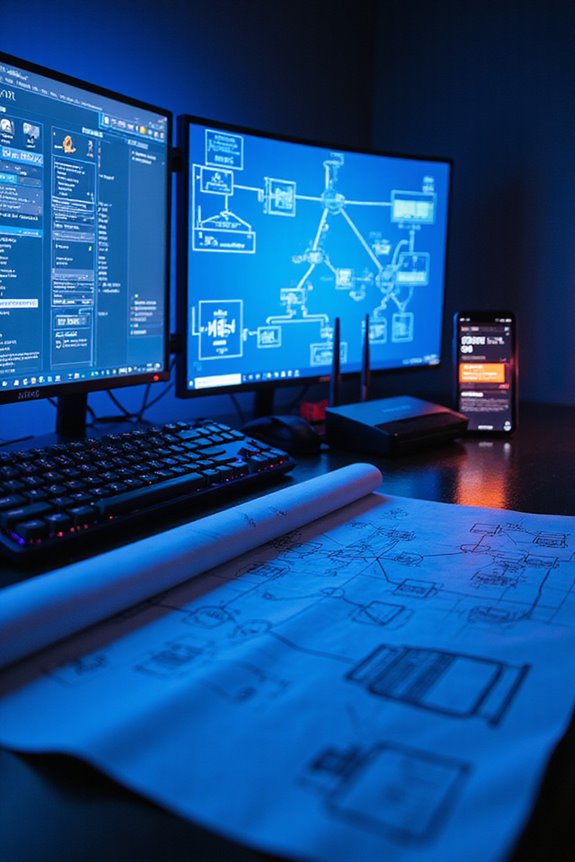
In an era where online gaming is more popular than ever, implementing advanced features and security measures is essential for a seamless experience. Multi-Factor Authentication (MFA) adds that extra layer of protection, requiring more than just a password to access your accounts. Session encryption, using TLS and AES, keeps your data safe during gameplay, while Intrusion Prevention Systems (IPS) actively block threats.
I also appreciate Zero Trust Network Access (ZTNA), which treats every user as a potential threat, ensuring continuous verification. Secure VPNs like NordLynx protect your data transmission, and regular security audits help identify vulnerabilities. Just remember, while these measures enhance security, nothing’s foolproof. It’s about creating a safer gaming environment, one step at a time.
Frequently Asked Questions
What Is the Best Budget CPU for Gaming Servers?
When I built my first gaming server, the AMD Ryzen 5 9600X was my trusty sidekick. With six cores and impressive speed, it’s the budget-friendly hero that’ll elevate your gaming experience without breaking the bank.
How Can I Reduce Server Downtime During Maintenance?
I’ve found scheduling maintenance during low activity hours and keeping players informed really helps. Regular backups and quick recovery plans are essential, too. Trust me, minimizing surprises makes a huge difference in player satisfaction.
What Are the Benefits of Using Dedicated Servers Versus Shared Servers?
I’ve found that dedicated servers really shine in performance, security, and customization. They may cost more upfront, but the reliability and control I get are worth it, especially for demanding projects. Trust me; you’ll appreciate the difference.
How Do I Choose the Right Gaming Server Location?
When I choose a gaming server location, I consider player proximity and optimize for low latency. I also think about future growth and guarantee the provider has reliable infrastructure to keep our gaming experience smooth.
What Software Is Essential for Managing a Gaming Server?
Managing a gaming server’s like juggling flaming swords—it’s tricky! I’ve found software like Pterodactyl and TCAdmin essential. They simplify everything, from user management to automation, making my gaming experience smoother and more enjoyable.